Introduction
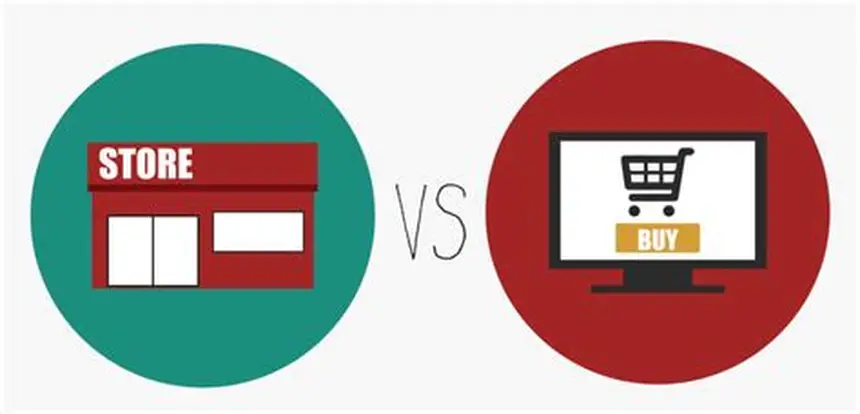
Retailing has changed dramatically over the last decade. In 2026, businesses are no longer debating whether physical stores or online channels are better. Instead, they focus on how each channel improves customer satisfaction and drives business growth.
The growth of e-commerce, quick commerce, social commerce, AI-powered shopping, and digital payments has transformed customer expectations. At the same time, physical stores continue to attract shoppers who value product experience, personal interaction, and immediate ownership.
So, which retail format is better in 2026 The answer depends on customer needs, product categories, and business goals.
What is Store-Based Retailing?
Store-based retailing refers to selling products through physical outlets where customers visit, examine products, and make purchases.
Examples of Store-Based Retailers
- Reliance Smart
- D-Mart
- Lifestyle
- Shoppers Stop
- IKEA
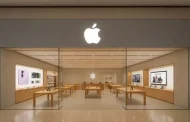
- Apple Stores
What is Non-Store-Based Retailing?
Non-store-based retailing refers to selling products without a physical store. Customers purchase products through online platforms or other direct channels.
Examples of Non-Store-Based Retailers
- Amazon
- Flipkart
- Myntra
- Meesho
- Instagram Shops
- Blinkit
- Zepto
Advantages of Store-Based Retailing
Although online shopping continues to grow, physical stores still offer several unique advantages.
Physical Product Experience
Customers can touch, feel, compare, and test products before making a purchase. Therefore, this format works well for fashion, electronics, furniture, and luxury goods.
Immediate Product Availability
Unlike online shopping, customers can take products home immediately. As a result, they avoid delivery delays.
Personalized Customer Service
Sales representatives provide demonstrations, answer questions, and recommend suitable products. Moreover, after-sales service often becomes easier.
Strong Brand Experience
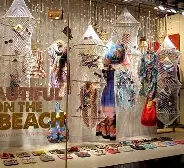
Retail stores create memorable shopping experiences through store ambience, attractive displays, music, and product demonstrations.
Trust and Credibility
Many consumers still trust established physical stores, especially when purchasing expensive products.
Challenges of Store-Based Retailing
However, physical retail also has several limitations.
- Higher operating costs
- Rent and maintenance expenses
- Limited geographical reach
- Dependence on customer footfall
- Inventory management challenges
Furthermore, many shopping malls are transforming into entertainment and lifestyle destinations because shopping habits have changed.
Advantages of Non-Store-Based Retailing
Digital retail has become one of the fastest-growing retail formats worldwide.
Shop Anytime, Anywhere
Customers can shop 24/7 using smartphones or laptops. Consequently, shopping has become more convenient than ever.
Wider Market Reach
Businesses can sell products across India and even internationally without opening multiple stores.
Lower Operating Costs
Since online retailers require less physical infrastructure, operating expenses remain relatively low.
Better Personalization
Artificial intelligence recommends products based on customer preferences and browsing history. Additionally, predictive analytics helps businesses understand buying behaviour.
Faster Business Growth
India’s online retail market continues to expand rapidly because of quick commerce and increasing smartphone usage.
Challenges of Non-Store-Based Retailing
Despite its growth, online retail also faces several challenges.
- Product quality uncertainty
- Delivery delays
- Return and exchange issues
- Intense competition
- Trust concerns for unknown brands
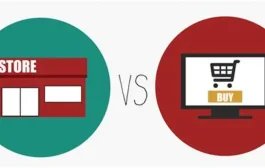
Store-Based vs Non-Store-Based Retailing: A Comparison
| Factor | Store-Based Retailing | Non-Store-Based Retailing |
|---|---|---|
| Customer Experience | High sensory experience | Digital experience |
| Convenience | Limited by store timings | Available 24/7 |
| Operating Cost | High | Lower |
| Market Reach | Local or regional | National and global |
| Personal Interaction | High | Limited |
| Purchase Speed | Immediate | Depends on delivery |
| Scalability | Moderate | High |
| Customer Data | Limited | Extensive |
Retail Trends Shaping 2026
Retail continues to evolve rapidly. Therefore, businesses must adapt to emerging trends in Store-Based vs Non-Store-Based Retailing.
Omnichannel Retailing
Customers now move seamlessly between online and offline channels. For example, many research products online before visiting a store. Others examine products in-store and later complete the purchase online.
AI-Powered Shopping
Artificial intelligence improves product recommendations, customer service, inventory management, and pricing decisions.
Quick Commerce
Consumers increasingly expect deliveries within minutes rather than days. As a result, quick commerce has become one of India’s fastest-growing retail segments.
Experience-Driven Stores
Instead of focusing only on transactions, retailers now organize product demonstrations, workshops, and live events to attract customers.
Which Retail Format is Better in 2026
The answer is not one or the other.
Store-Based Retailing Works Best For
- Luxury products
- Fashion
- Furniture
- Electronics
- Experiential shopping
Non-Store-Based Retailing Works Best For
- Groceries
- Everyday essentials
- Repeat purchases
- Price-sensitive customers
- Rural consumers
The Future is Omnichannel Retailing
Rather than competing, physical and digital retail now complement each other.
Today’s customers expect to browse online, visit stores, compare prices through mobile apps, and choose home delivery or click-and-collect services. Consequently, retailers that integrate both channels provide a better customer experience.
Conclusion
The debate between store-based and non-store-based retailing is no longer about choosing one format over another. Instead, success depends on combining both effectively.
Retailers that deliver convenience, personalization, speed, and consistency across every customer touchpoint will gain a competitive advantage. Ultimately, omnichannel retailing represents the future because it combines the strengths of both physical and digital shopping.
🛒 Retailing Challenge 2026
Can you score 10/10 and discover how well you understand modern retail?
📚 Retail Knowledge Quiz
🎯 Match the Retailer
Retailers
1. Amazon2. D-Mart
3. Blinkit
4. IKEA
Formats
A. Physical StoreB. Quick Commerce
C. Online Marketplace
D. Furniture Store
Answers: (Example: 1-C,2-A...)
🛍️ Which Retail Shopper Are You?
Choose one option.
🛒 Retail Challenge 2026
Think like a customer! Choose the retailer that best fits each shopping situation.
💡 Retail Learning
- Blinkit specializes in Quick Commerce.
- Lifestyle provides an in-store shopping experience for apparel.
- IKEA is famous for furniture and home décor.
- Amazon is India's leading online marketplace.
- Nykaa dominates online beauty retailing.
- D-Mart is a leading supermarket for value grocery shopping.
- Myntra is India's popular online fashion retailer.