Introduction
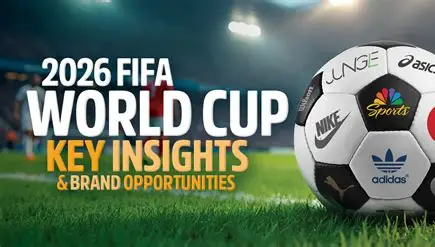
The FIFA World Cup is more than the world’s biggest sporting event—it is one of the largest marketing platforms on the planet. During FIFA 2026, brands competed just as fiercely as the football teams. While players battled for the trophy, companies fought for consumer attention, emotional engagement, and long-term brand loyalty.
The most successful FIFA 2026 marketing strategies extended beyond stadium advertising. Brands used celebrity endorsements, personalized products, digital storytelling, social media, artificial intelligence, fan experiences, and emotional branding to create memorable campaigns that resonated with millions of football fans worldwide. (The Drum)
Adidas and Lionel Messi: Selling Legacy Instead of Shoes
Rather than simply promoting football boots, Adidas positioned Lionel Messi’s final FIFA World Cup appearance as a once-in-a-generation story.
The brand launched “El Último Tango”, a limited-edition boot collection inspired by Messi’s football journey. Instead of selling performance alone, Adidas sold nostalgia, legacy, and emotion. Fans were purchasing a piece of football history rather than just another pair of boots. (Adidas News)
Marketing Lesson
- Emotional Branding
- Storytelling Marketing
- Scarcity Marketing
- Celebrity Branding
Adidas Personalized Boots: Every Player Became a Brand Ambassador
Adidas customized boots for several international stars.
Each design reflected the player’s personality and journey rather than using identical products for everyone. This transformed every footballer into a walking advertisement while strengthening individual athlete branding. (Adidas News)
Marketing Lesson
Consumers increasingly seek personalized experiences. Customization increases emotional attachment and perceived value.
Nike’s Pink Boots: Visibility Became the Marketing Strategy
One of the biggest talking points during FIFA 2026 was the explosion of bright pink football boots.
Nike introduced vibrant pink boots after testing showed that pink created the highest contrast against green football pitches, making sponsored athletes easier to spot on television and mobile screens. Soon, Adidas, Puma, New Balance, and Skechers followed with similar colour palettes. (NDTV Profit)
However, an unexpected problem emerged.
When every major brand used pink, consumers found it difficult to distinguish one brand from another. Marketing experts described this as a lesson in differentiation failure rather than brand success. (PVFraga)
Marketing Lesson
Visibility alone does not create differentiation.
Brands must stand out—not simply become visible.
Coca-Cola: Selling Togetherness
For decades Coca-Cola has associated football with friendship, celebration, and happiness.
Instead of focusing on the product, Coca-Cola promoted shared experiences—watch parties, celebrations, and emotional moments.
The campaign reinforced its long-standing positioning of “sharing happiness” rather than selling beverages.
Budweiser: Celebrating Every Goal
Budweiser continued using football celebrations as a central marketing theme.
Its campaigns focused on fan passion, unforgettable goals, and victory celebrations rather than product features.
The brand successfully connected beer consumption with memorable football moments. (The Drum)
Visa: Creating Cashless Fan Experiences
Visa enhanced the fan experience through contactless payments inside stadiums, merchandise stores, and hospitality zones.
Instead of traditional advertising, Visa became part of the customer journey.
This represents Experience Marketing, where the brand creates value by making customer experiences smoother.
Lenovo: Technology Behind the Tournament
Lenovo positioned itself as FIFA’s technology partner.
Rather than targeting football fans directly, Lenovo showcased how technology powers broadcasting, operations, and fan engagement.
This strengthened its reputation as an innovation-driven global technology company. (FIFA Legal)
Qatar Airways: Selling Dreams, Not Flights
Qatar Airways used FIFA to promote international travel.
Its campaigns encouraged fans to experience football cultures across different countries.
Instead of selling airline tickets, it sold unforgettable travel experiences.
Social Media Became the Real Stadium
Brands no longer relied only on television.
Instead, they created
- Instagram Reels
- TikTok challenges
- Behind-the-scenes videos
- Interactive polls
- AI-generated football content
- Real-time memes
- Influencer collaborations
This kept fans engaged before, during, and after matches.
Marketing Lessons Every Brand Can Learn from FIFA 2026
The biggest lesson from FIFA 2026 Marketing Strategies is that consumers rarely remember advertisements.
Instead, they remember experiences.
Successful brands:
- Sold emotions instead of products.
- Used sports celebrities to build trust.
- Created personalized experiences.
- Leveraged digital storytelling.
- Encouraged fan participation.
- Connected products with memorable moments.
- Built communities instead of audiences.
Conclusion
The FIFA World Cup has evolved into one of the world’s most powerful marketing platforms. Companies such as Adidas, Nike, Coca-Cola, Visa, Budweiser, Lenovo, and Qatar Airways demonstrated that successful marketing extends far beyond traditional advertising. By combining storytelling, technology, celebrity influence, personalization, and customer experience, these brands transformed football into an emotional connection with consumers. The greatest victory at FIFA 2026 was not just winning matches it was winning hearts, conversations, and long-term brand loyalty.