Retail Formats : Store-Based, Non-Store and Service Retailers
Retailing has evolved significantly over the years to meet changing customer expectations, technological advancements, and competitive business environments. Today, retailers adopt various retail formats to provide products and services conveniently to consumers. From neighbourhood convenience stores to online shopping platforms, every retail format serves a specific customer need and follows a unique business model.
Understanding retail formats is an important topic for MBA and MMS students because it explains how retailers organize their operations, attract customers, and compete in the marketplace. This guide covers store-based retailers, general merchandise retailers, non-store retailing, and service retailers in a simple and comprehensive manner.
What are Retail Formats?
A retail format refers to the way a retailer organizes its business, presents merchandise, delivers customer service, and creates a shopping experience. Retail formats differ in terms of store size, merchandise assortment, pricing strategy, customer service, location, and promotional activities.
Retailers select the most suitable format based on customer needs, market demand, competition, and business objectives.
Classification of Retail Formats
Retail formats can be broadly classified into three categories:
- Store-Based Retailers
- Non-Store Retailers
- Service Retailers
Each format offers unique advantages and targets different customer segments.
Store-Based Retail Formats
Store-based retailing refers to businesses that sell products through physical stores. Customers can visit the store, examine products, compare alternatives, and make purchases immediately.
Food-Oriented Retailers
Food-oriented retailers primarily sell groceries, fresh produce, packaged foods, and household essentials.
Convenience Stores
Convenience stores are small retail outlets located near residential areas. They operate for extended hours and offer frequently purchased products such as milk, bread, snacks, beverages, and personal care items. Their biggest advantage is convenience, although prices are generally higher than supermarkets.
Supermarkets
Supermarkets are large self-service retail stores offering groceries, fresh fruits, vegetables, dairy products, packaged foods, and household products. They provide wider product assortments, competitive pricing, and attractive promotional offers.
Examples include DMart, Reliance Smart Bazaar, and Star Bazaar.
Food-Based Superstores
Food-based superstores combine supermarkets with general merchandise. They stock groceries, fresh produce, apparel, electronics, and household products under one roof. Their large product assortment allows customers to complete most shopping in a single visit.
Hypermarkets and Combination Stores
Hypermarkets combine supermarkets and department stores. They offer food products, electronics, clothing, furniture, kitchen appliances, toys, and home décor. Customers benefit from one-stop shopping, competitive prices, and value-added services.
Warehouse Clubs
Warehouse clubs operate on a membership basis and sell products in bulk at discounted prices. Their operating costs remain low because they provide limited services and maintain simple store layouts.
General Merchandise Retailers
General merchandise retailers focus on non-food products and cater to a wide range of customer needs.
Specialty Stores
Specialty stores focus on a single product category, such as footwear, electronics, cosmetics, or books. They provide deep product assortments, expert advice, and superior customer service.
Variety Stores
Variety stores sell inexpensive products across multiple categories, usually at fixed or low prices. They are popular for household items, gifts, toys, stationery, and decorative products.
Department Stores
Department stores offer several product categories within different departments, including apparel, cosmetics, furniture, home appliances, toys, and jewellery. They provide customers with extensive choices under one roof.
Off-Price Retailers
Off-price retailers sell branded products at discounted prices. They purchase surplus inventory, cancelled orders, or excess stock from manufacturers and pass the savings to customers.
Factory Outlets
Factory outlets allow manufacturers to sell directly to consumers. These stores usually offer previous-season products, excess inventory, or slightly imperfect goods at lower prices.
Flea Markets
Flea markets are informal marketplaces where vendors sell second-hand goods, handmade products, antiques, clothing, household items, and collectibles at affordable prices.
Category Killers
Category killers dominate a specific product category by offering enormous product variety, competitive pricing, and extensive inventory. Their market dominance often makes it difficult for smaller retailers to compete.
Non-Store Retailing
Non-store retailing refers to selling products without a physical retail outlet. Customers purchase products through alternative channels that provide greater convenience and accessibility.
Direct Marketing
Retailers communicate directly with customers using catalogues, brochures, emails, and digital marketing campaigns.
Catalogue Retailing
Customers browse printed or digital catalogues and place orders through websites, phone calls, or retail representatives.
Direct Selling
Products are sold through personal interaction between sales representatives and customers. Examples include door-to-door selling and multi-level marketing.
Telemarketing
Retailers contact potential customers over the telephone to explain products, answer questions, and complete sales transactions.
Television Shopping
Television shopping demonstrates products through dedicated shopping channels or infomercials, allowing customers to place orders from home.
Online Retailing (E-Retailing)
Online retailing has transformed the retail industry by enabling consumers to purchase products anytime and anywhere through websites and mobile applications. Popular examples include Amazon, Flipkart, and Myntra.
Automatic Vending Machines
Vending machines provide self-service purchasing for beverages, snacks, and essential products without requiring sales staff.
Advantages of Non-Store Retailing
- 24×7 shopping convenience
- Wider customer reach
- Lower operating costs
- Global market access
- Faster order processing
- Better customer convenience
Challenges of E-Retailing in India
Despite rapid growth, e-retailing faces several challenges:
- Online payment security concerns
- Delivery and logistics issues
- Language barriers
- Preference for physical product inspection
- Shipping costs
- Building customer trust
Service Retailers
Service retailers provide intangible services rather than physical products.
Examples include:
- Healthcare
- Banking
- Insurance
- Hotels
- Restaurants
- Travel agencies
- Educational institutions
- Professional services
- Beauty salons
- Fitness centres
Unlike merchandise retailers, service retailers focus on customer experience, service quality, reliability, and relationship management.
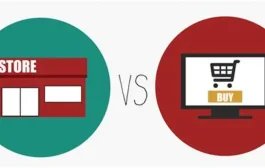
Store-Based vs Non-Store Retailing
| Store-Based Retailing | Non-Store Retailing |
|---|---|
| Physical stores | Online or remote selling |
| Customers inspect products | Virtual shopping |
| Immediate purchase | Home delivery |
| Higher operating costs | Lower operating costs |
| Personal interaction | Digital communication |
Importance of Retail Formats
Retail formats help businesses serve different customer segments effectively. They influence pricing strategies, merchandising decisions, customer experience, inventory management, and promotional activities. Selecting the right retail format enables businesses to improve customer satisfaction, increase profitability, and build long-term competitive advantages.
Conclusion
Retail formats continue to evolve with changing consumer behaviour and technological innovation. Store-based retailers remain important because they provide physical shopping experiences, while non-store retailing offers convenience and accessibility. Service retailers continue to grow by delivering personalized customer experiences. Understanding different retail formats enables MBA and MMS students to appreciate modern retail strategies and prepares them for careers in retail management, marketing, and business development.