Introduction
Did you know that much of the waste we throw away every day could actually be reused, recycled, or composted instead of ending up in landfills
But Have You Ever Wondered
What happens to your garbage after the dustbin is emptied
Does it simply disappear, or does its journey continue long after it leaves your home
The Growing Problem
In our previous article on Sustainable Food Systems: From Farm to Kitchen, we learned how food travels from farms to our plates and how mindful food choices can help protect the environment.
But there is another important question.
What happens to the leftovers, food scraps, plastic packaging, and other waste we generate every day
As populations grow and consumption increases, waste generation continues to rise. Improper disposal can pollute land, water, and air while creating serious environmental and health challenges.
This is where Waste Management becomes essential.
Understanding Waste Management
Waste Management refers to the collection, transportation, processing, recycling, and disposal of waste in ways that protect human health and the environment.
Think of it like cleaning your room.
If you simply throw everything into one corner, the room quickly becomes messy and difficult to live in. However, if you organize, recycle, donate, and dispose of items properly, the room stays clean and functional.
Similarly, communities and cities function best when waste is managed responsibly.
It helps reduce pollution, conserve natural resources, save energy, and create cleaner, healthier environments for everyone. Most importantly, it transforms waste from a problem into an opportunity.
Why Waste Management Matters
Every item we throw away has an environmental impact. When waste is not managed properly, it can:
- Pollute rivers, lakes, and oceans
- Contaminate soil
- Release harmful gases into the atmosphere
- Harm wildlife and ecosystems
- Create public health risks
Therefore, effective it is essential for protecting both people and the planet. Moreover, it supports broader sustainability goals by reducing environmental damage and encouraging responsible resource use.
Environmental Benefits of Waste Management
One of the greatest advantages of Waste Management is its positive impact on the environment.
- Reduces Pollution
Proper disposal and treatment prevent waste from contaminating air, water, and soil. As a result, communities become cleaner and healthier places to live.
- Conserves Natural Resources
Recycling materials such as paper, glass, metal, and plastic reduces the need to extract new raw materials. Consequently, fewer natural resources are depleted.
- Saves Energy
Producing products from recycled materials often requires less energy than manufacturing them from virgin resources. Therefore, recycling helps lower overall energy consumption.
- Social and Economic Benefits
Waste Management does not only benefit the environment. It also supports society and the economy.
- Protects Public Health
Cleaner surroundings reduce the spread of disease and improve community well-being. Furthermore, proper waste disposal helps prevent contamination of water and food sources.
- Supports Sustainability
By reducing environmental pressure and encouraging responsible consumption, Waste Management contributes to a more sustainable future.
- Creates Economic Opportunities
In addition, recycling, composting, and waste recovery industries create employment opportunities while promoting innovation in resource management.
Understanding the 5Rs of Waste Management
One of the easiest ways to remember sustainable waste practices is through the 5Rs.
- Refuse
Avoid unnecessary products and single-use items whenever possible.
- Reduce
Buy only what you need and minimize waste generation.
- Reuse
Find new uses for items instead of discarding them.
- Recycle
Convert waste materials into new products and keep resources in circulation.
- Rot
Compost food scraps and biodegradable waste to create nutrient-rich soil.
Together, these practices help reduce the amount of waste sent to landfills while encouraging responsible consumption.
Food Waste and Composting
Remember our discussion about Sustainable Food Systems
One of the biggest challenges in food sustainability is food waste. Large amounts of food are lost or discarded even though valuable resources such as water, energy, land, and labour were used to produce it.
Fortunately, composting provides a simple and effective solution.
For example, fruit peels, vegetable scraps, tea leaves, and garden waste can be converted into nutrient-rich compost instead of being thrown away. As a result, landfill waste is reduced while soil quality improves.
Recycling: Giving Waste a Second Life
Recycling is one of the most visible aspects of Waste Management.
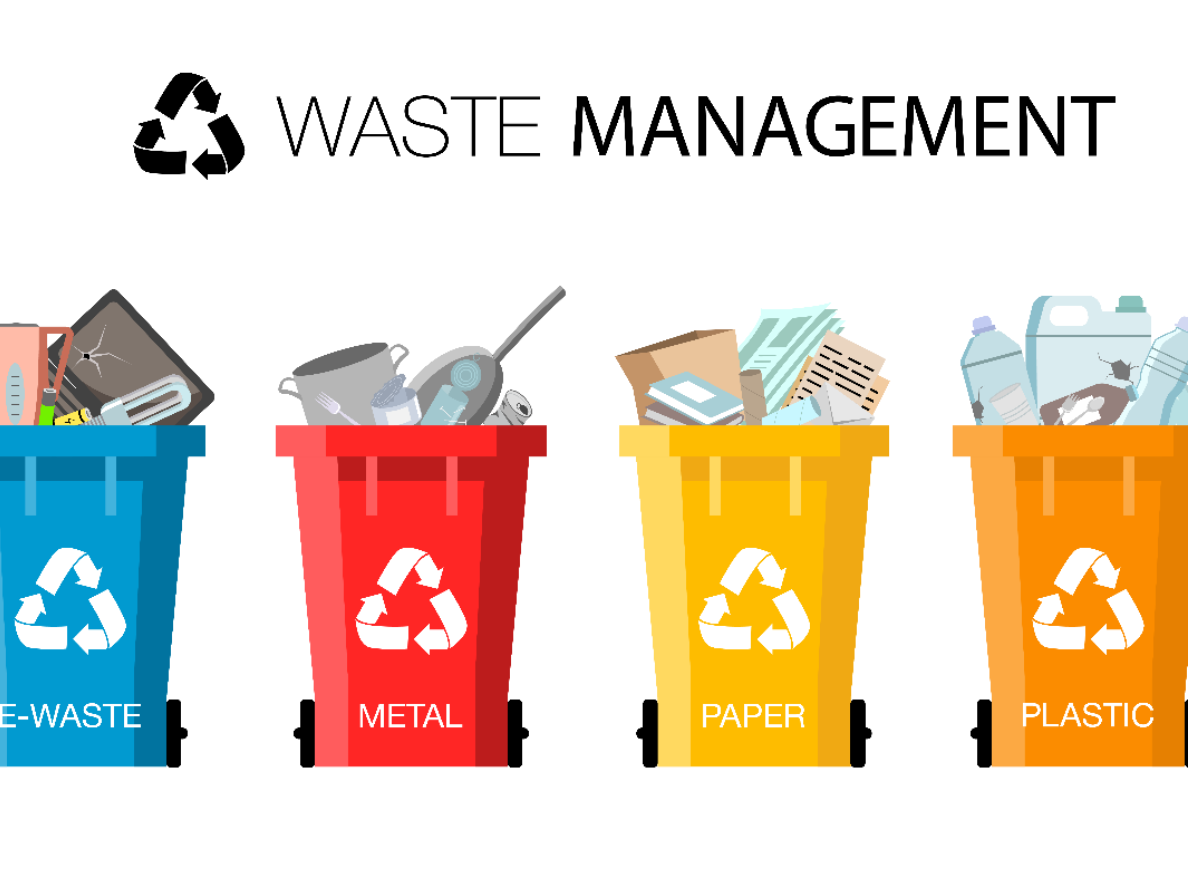
Common recyclable materials include:
- Paper and cardboard
- Glass bottles
- Metal cans
- Certain plastics
- Electronic waste through specialized recycling programs
By recycling responsibly, consumers can help reduce resource extraction and environmental degradation. Furthermore, recycling supports the transition toward a more circular and sustainable economy.
Conclusion
Waste Management is much more than collecting garbage. Rather, it is a system that helps protect the environment, conserve resources, and create healthier communities.
From reducing waste and recycling materials to composting food scraps and making mindful purchasing decisions, everyone has a role to play. Moreover, small actions performed consistently can create significant long-term benefits.
Just as Green Living encourages responsible use of resources and Sustainable Food Systems promote responsible food choices, Waste Management encourages responsible disposal and resource recovery.
Ultimately, sustainability does not end when a product is used. Instead, it continues through the choices we make about what happens next. Therefore, by adopting better practices today, we can help create a cleaner, healthier, and more sustainable future for generations to come.
Frequently Asked Questions About Waste Management
- What is Waste Management?
Waste Management is the process of collecting, treating, recycling, and disposing of waste responsibly.
- Why is Waste Management important?
Waste Management helps reduce pollution, conserve resources, and protect public health.
- What are the 5Rs of Waste Management?
The 5Rs are Refuse, Reduce, Reuse, Recycle, and Rot.
- How can households improve Waste Management?
Households can segregate waste, recycle materials, compost organic waste, and reduce unnecessary consumption.
- How does Waste Management support sustainability?
Waste Management reduces environmental impact while promoting efficient use of resources and responsible consumption.
🔗 Previous Read
Sustainable Food System: From Farm to Kitchen
Discover how responsible food production and mindful eating contribute to sustainability.
🔗 Next Read
Water Sustainability: Every Drop Counts
Think about the last time you turned on a tap. Clean water flowed instantly, and you probably didn’t give it a second thought.
🍽️ Food Waste Calculator
Discover how much food you waste each week and see how small changes can make a big difference.