INTRODUCTION
Did you know that nearly one-third of all food produced globally is either lost or wasted before it is consumed? At the same time, millions of people around the world still struggle with hunger and food insecurity.
But Have You Ever Wondered
Before the food reaches your plate, where does it come from? How was it grown, transported, processed, and delivered? And what impact do these steps have on the environment?
The Growing Challenge
In our previous article on Green Living, we explored how small everyday choices can help protect the planet. One of the most important choices we make every day is deciding what we eat.
However, modern food production faces several challenges. Excessive use of chemicals, food waste, long transportation distances, and environmental degradation can affect both human health and the planet.
This is where the concept of a Sustainable Food System becomes important.
Understanding a Sustainable Food System
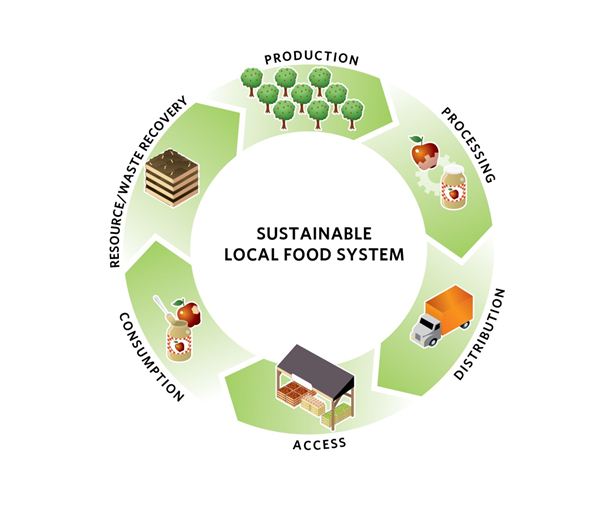
A Sustainable Food System is a way of producing, processing, transporting, and consuming food that benefits people, farmers, communities, and the environment.The goal is simple: provide healthy and nutritious food while protecting natural resources for future generations.
Imagine a cycle where food is grown responsibly, transported efficiently, consumed thoughtfully, and wasted less. That is the foundation of a Sustainable Food System.
Instead of focusing only on producing more food, it focuses on producing food in ways that are environmentally responsible, economically viable, and socially fair.
Whether it is supporting local farmers, reducing food waste, choosing seasonal produce, or adopting sustainable farming practices, every stage of the food journey matters.
This is just the beginning. we will explore how a Sustainable Food System works and why it is essential for a healthier future.
The Role of Sustainable Agriculture
A Sustainable Food System begins on the farm.
Sustainable agriculture focuses on farming practices that protect soil, conserve water, and reduce environmental damage. Farmers use methods that maintain the long-term health of the land while producing nutritious food.
For example:
- Organic farming reduces the use of harmful chemicals.
- Crop rotation helps maintain soil fertility.
- Water conservation techniques reduce resource wastage.
- Natural pest control protects biodiversity.
By caring for the environment, farmers can continue producing food for future generations.
Why Local Food Systems Matter
Have you ever purchased fruits or vegetables from a local farmer’s market
Local food systems are an important part of it because food travels shorter distances before reaching consumers.
This helps:
Reduce Transportation Pollution
Less travel means lower fuel consumption and fewer carbon emissions.
Support Local Farmers
Farmers receive better returns when they sell directly to consumers.
Provide Fresher Food
Locally grown produce often reaches consumers faster, preserving freshness and nutritional value.
Strengthen Communities
Supporting local agriculture contributes to economic development within communities.
Mindful Eating and Farm-to-Table Living
It is not only about how food is produced. It is also about how food is consumed.
Mindful eating encourages people to think about where their food comes from and how it affects the environment.
The farm-to-table movement promotes consuming food directly from local farms whenever possible.
Choosing seasonal fruits and vegetables can:
- Reduce environmental impact
- Support local agriculture
- Improve food quality
- Encourage healthier eating habits
Small food choices can create a significant positive impact.
Innovative Approaches to Sustainable Food Systems
Permaculture
Permaculture works with nature rather than against it.
It involves designing farming systems where plants, animals, and natural resources support one another, creating self-sustaining ecosystems.
Urban Agriculture
Urban agriculture brings food production into cities.
Examples include:
- Rooftop gardens
- Community gardens
- Vertical farming
- Balcony vegetable gardens
Urban agriculture reduces transportation needs and improves access to fresh food in densely populated areas.
Why Food Security Matters
Food security means ensuring that everyone has access to enough nutritious food.
It helps improve food security by:
- Protecting agricultural resources
- Supporting local food production
- Reducing food waste
- Improving resilience to environmental challenges
When food systems become more sustainable, communities become better prepared for future uncertainties.
SIMPLE WAYS TO SUPPORT A SUSTAINABLE FOOD SYSTEM
You do not need to be a farmer to make a difference.
Support Local Farmers
Buy produce from local markets whenever possible.
Choose Seasonal Foods
Seasonal foods are often fresher, healthier, and require fewer resources to produce.
Reduce Food Waste
Plan meals carefully and use leftovers creatively.
Learn About Your Food
Understanding where food comes from helps consumers make informed choices.
Grow Your Own Food
Even a small herb garden can contribute to a Sustainable Food System.
CONCLUSION
It connects farms, communities, consumers, and the environment through responsible food production and consumption practices.
By supporting sustainable agriculture, reducing food waste, choosing local produce, and making mindful food choices, we can help build a food system that benefits both people and the planet.
Just as Green Living encourages responsible use of resources, a Sustainable Food System encourages responsible food choices that create lasting positive impact.
Frequently Asked Questions About Sustainable Food Systems
1. What is a Sustainable Food System?
A Sustainable Food System is a method of producing, processing, distributing, and consuming food in ways that protect the environment and support future generations.
2. Why is a Sustainable Food System important?
A Sustainable Food System helps improve food security, protect natural resources, and reduce environmental impact.
3. How does sustainable agriculture support a Sustainable Food System?
Sustainable agriculture protects soil, water, and biodiversity while producing healthy food.
4. What role do consumers play in a Sustainable Food System?
Consumers can support a Sustainable Food System by reducing food waste, buying local products, and choosing seasonal foods.
5. How does a Sustainable Food System benefit the environment?
It reduces pollution, conserves resources, supports biodiversity, and promotes responsible food production.
Want More Sustainability Insights?
Subscribe for practical sustainability tips, environmental insights, consumer behaviour trends, and real-world examples.
Previous Read
Green Living: Small Choices, Big Impact for a Sustainable Future
Discover how everyday sustainable habits contribute to environmental protection and responsible resource use.
Next Read
Waste Management: Turning Trash into Opportunity
What happens to the waste we throw away every day?
In the next article, we will explore how effective waste management, recycling, composting, and responsible disposal practices can reduce pollution, conserve resources, and create a cleaner, more sustainable future.