Introduction to Phygital Retail
Phygital retail is transforming the way consumers shop by combining physical and digital experiences into one seamless journey. As customer expectations evolve, businesses increasingly use technology to connect online convenience with in-store engagement. Consequently, phygital retail has become a powerful strategy for enhancing customer satisfaction and building stronger brand relationships.
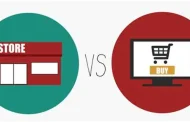
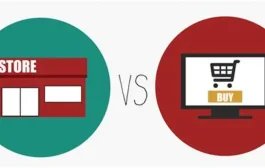
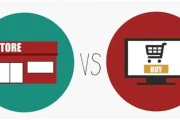
Traditionally, shopping involved visiting physical stores, interacting with products, and making purchases in person. However, the rise of e-commerce changed consumer behaviour significantly. While online shopping offers convenience and variety, it often lacks the sensory and social aspects of physical shopping. Therefore, phygital retail bridges this gap by integrating the best features of both worlds.
Why Phygital Retail Matters
Today’s consumers expect flexibility, convenience, and personalization. As a result, businesses must create experiences that move smoothly between digital and physical channels.
Moreover, phygital retail enables customers to research products online, experience them in-store, and complete purchases through their preferred channel. This integrated approach improves customer engagement while creating a consistent brand experience.
Furthermore, retailers can use customer data to understand preferences and deliver more relevant recommendations, thereby increasing customer satisfaction and loyalty.
Technologies Powering Phygital Retail
Several technologies support the growth of phygital retail.
Augmented Reality (AR)
AR allows customers to visualize products before purchasing. For example, shoppers can virtually try on clothes, makeup, or eyewear using their smartphones.
Virtual Reality (VR)
VR creates immersive experiences that allow customers to explore products and environments in a highly interactive way.
Mobile Applications
Retail apps help customers browse products, make purchases, access loyalty programs, and receive personalized offers.
Interactive Displays
Digital kiosks and smart screens provide product information and recommendations while enhancing the in-store experience.
As technology continues to advance, these tools will further strengthen the impact of phygital retail.
Benefits of Phygital Retail
Personalized Customer Experiences
One of the greatest strengths of phygital retail is personalization. Businesses can use customer data to create tailored recommendations and targeted promotions. As a result, customers enjoy a more relevant shopping experience.
Stronger Brand Identity
Additionally, phygital retail helps brands create memorable experiences. By combining physical and digital touchpoints, businesses can differentiate themselves from competitors and build stronger customer connections.
Wider Customer Reach
Retailers can also extend their reach beyond physical locations. Social media platforms, mobile applications, and e-commerce websites allow businesses to connect with customers anytime and anywhere.
Better Customer Insights
Moreover, tracking customer interactions across multiple channels provides valuable insights into shopping behaviour. Consequently, businesses can refine their marketing strategies and improve overall performance.
Real-World Examples of Phygital Retail
Amazon Fresh
Amazon Fresh represents one of the most advanced examples of phygital retail.
Customers enter the store using the Amazon app. Sensors automatically detect items placed in shopping carts and update purchases in real time. Once shopping is complete, customers simply leave the store while payment is processed automatically.
As a result, Amazon Fresh eliminates checkout queues and creates a highly convenient shopping experience.
Nike by Melrose
Nike’s Melrose concept store uses local customer data to personalize the shopping experience.
Customers can reserve products online, schedule store visits, and access personalized services through the Nike app. Furthermore, merchandise selections change based on local purchasing trends, ensuring relevance and customer satisfaction.
Sephora Virtual Artist
Sephora combines beauty and technology through its Virtual Artist application.
Using augmented reality, customers can virtually try makeup products before making a purchase. Additionally, they can order products online or collect them from nearby stores. Therefore, the brand successfully merges digital convenience with physical retail experiences.
The Future of Phygital Retail
The future of it looks promising. As artificial intelligence, augmented reality, and data analytics become more sophisticated, retailers will deliver even more personalized and immersive shopping experiences.
Furthermore, consumers increasingly expect brands to provide seamless transitions between online and offline interactions. Therefore, businesses that embrace it will be better positioned to meet changing customer expectations and remain competitive in the marketplace.
Conclusion
It represents the future of modern shopping. By combining the convenience of digital technology with the engagement of physical stores, businesses can create seamless customer journeys that drive satisfaction and loyalty.
Companies such as Amazon Fresh, Nike, and Sephora demonstrate how phygital retail enhances customer experiences through personalization, convenience, and innovation. As technology continues to evolve, retailers that successfully integrate physical and digital channels will gain a significant competitive advantage and shape the future of retail.