Kaju Katli History: A Sweet Legacy of India
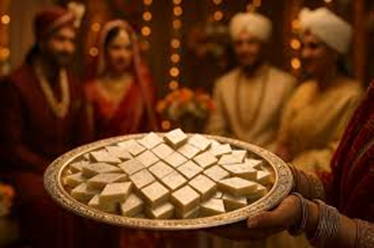
Few Indian sweets create the same feeling of celebration and nostalgia as Kaju Katli. With its diamond shape, smooth texture, and rich cashew flavor, this popular mithai remains a favorite during festivals, weddings, and family celebrations.
However, the story behind this beloved dessert goes far beyond its taste. The Kaju Katli history reflects India’s rich culinary traditions, royal kitchens, and timeless love for festive sweets.
Today, Kaju Katli continues to symbolize celebration, luxury, and shared memories across generations.
The Royal Origins of Kaju Katli
The Kaju Katli history often traces back to the Mughal era, when royal kitchens experimented with luxurious ingredients and refined desserts.
According to popular stories, chefs in the court of Bahadur Shah Zafar created an early version of the sweet to impress the emperor and royal guests.
At that time, cashew nuts were considered rare and expensive. Royal cooks finely ground the cashews and combined them with sugar and ghee to create a rich and delicate dessert.
As a result, the sweet quickly gained popularity among royal families.
Meanwhile, some food historians believe the sweet evolved further in the royal kitchens of the Deccan region, especially under the influence of Maratha and Chalukya culinary traditions.
Although historians debate the exact origin, one thing remains clear: Kaju Katli was always associated with elegance and celebration.
Why Kaju Katli Became Popular in India
Over time, the Kaju Katli history moved beyond royal palaces and entered Indian homes during festivals and special occasions.
Unlike heavier sweets made with khoya or deep-fried ingredients, Kaju Katli offered a lighter and cleaner taste. Therefore, many people preferred it for gifting and celebrations.
Today, the sweet appears prominently during:
- Diwali celebrations
- Weddings and family gatherings
- Corporate gifting
- Religious festivals
- Festive hampers and celebrations
Additionally, beautifully packed boxes of Kaju Katli have become a symbol of goodwill and festive joy across India.
The Traditional Art of Making Kaju Katli
Preparing Kaju Katli requires both precision and skill.
First, cooks select high-quality cashew nuts and grind them into a fine powder. Then, they cook the cashew mixture carefully with sugar syrup until it reaches a smooth consistency.
Next, they spread the mixture evenly on a flat surface and roll it into thin sheets. Finally, they cut the sweet into its famous diamond-shaped pieces.
The process may appear simple, but achieving the perfect texture requires careful timing and experience.
The Significance of Silver Varak
One of the most recognizable features in the Kaju Katli history is the delicate silver coating called varak.
Traditionally, Indian sweets used edible silver leaf to symbolize luxury, purity, and celebration.
Historically, royal kitchens also believed silver possessed medicinal and antimicrobial qualities. Therefore, many festive sweets featured silver decoration during important occasions.
Even today, the shining silver layer continues to add elegance to Kaju Katli.
What Does the Name Kaju Katli Mean?
The name itself explains the dessert clearly.
- “Kaju” means cashew
- “Katli” means thin slice
The word “katli” highlights the sweet’s delicate, wafer-like appearance.
This simplicity reflects the beauty of the dessert itself — only a few ingredients combined perfectly.
Modern Variations of Kaju Katli
Although the traditional recipe remains popular, modern sweet makers have introduced several creative variations.
Some popular versions include:
- Kesar Kaju Katli with saffron
- Chocolate Kaju Katli
- Sugar-free Kaju Katli
- Vegan cashew sweets
- Dry fruit fusion versions
Nevertheless, the classic version continues to dominate festive celebrations because of its timeless appeal.
Why Kaju Katli Creates Emotional Connections
The Kaju Katli history is not only about food. It is also about emotion, memory, and tradition.
For many Indians, the sweet brings back memories of:
- Childhood Diwali celebrations
- Family gatherings
- Festival shopping trips
- Mithai boxes exchanged with neighbors
- Grandparents saving special sweets for children
Therefore, Kaju Katli connects generations through shared traditions and joyful moments.
Kaju Katli as a Culinary Heritage of India
The journey of Kaju Katli reflects India’s ability to transform simple ingredients into unforgettable culinary experiences.
From Mughal courts to modern sweet shops, the dessert continues to remain an important part of Indian celebrations.
Moreover, the Kaju Katli history highlights how food preserves culture, tradition, and emotion across centuries.
Conclusion
The Kaju Katli history reveals much more than the story of a sweet. It tells a story of royal indulgence, culinary craftsmanship, festive joy, and emotional connection.
Even today, one small diamond-shaped piece carries centuries of tradition and celebration.
So the next time you enjoy Kaju Katli, pause for a moment and appreciate not only its flavor but also the rich heritage behind it.
Thought for the Day
“Some sweets do more than satisfy taste,they preserve memories, traditions, and the spirit of celebration.”