Cashback culture and Neuromarketing: The link behind it.
“Congratulations! You’ve earned ₹150 cashback.” It feels like a win. But pause for a moment. Did you actually save ₹150, or did you spend ₹1,000 to get it? This simple question lies at the heart of cashback culture, where spending often disguises itself as saving.
In today’s digital economy, cashback culture has become a dominant force across food delivery apps, e-commerce platforms, and digital wallets. While these offers promise value, cashback culture often reshapes how consumers think about money and spending decisions.
At its core, cashback culture is not just about saving money but about influencing consumer behaviour. Cashback culture shifts the focus from the total cost to the perceived reward, making spending feel smarter than it actually is.
Understanding Cashback Culture in Consumer Behavior
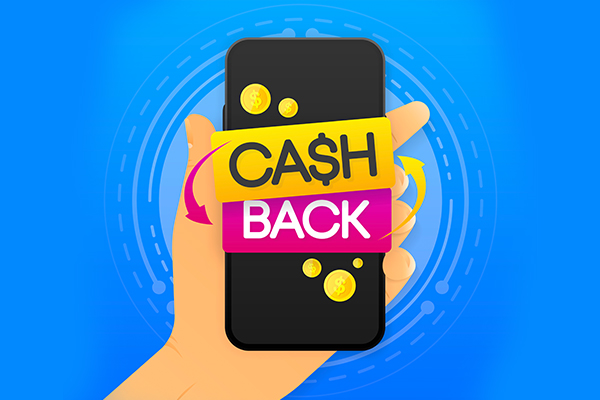
Cashback culture refers to a system where consumers receive a portion of their spending back as a reward. In cashback culture, this return may come as wallet credits, bank transfers, or discount coupons for future purchases.
On the surface, cashback culture appears beneficial because getting money back feels like a smart deal. However, the psychology behind cashback culture reveals a deeper behavioural influence that affects decision making.
Instead of asking whether a purchase is necessary, cashback culture encourages consumers to think about how much cashback they will receive. This shift transforms rational decisions into emotionally driven spending patterns.
How Cashback Culture Changes Spending Decisions
In cashback culture, the focus shifts from price to reward, making spending feel justified. Cashback culture encourages frequent purchases and measures value in terms of cashback rather than actual need.
The success of cashback culture is strongly linked to neuromarketing principles. Cashback culture works because it taps into how the brain responds to rewards and incentives.
Dopamine and Cashback Culture
In cashback culture, receiving cashback triggers dopamine release, the chemical associated with pleasure and reward. This makes cashback culture emotionally satisfying even when the financial benefit is small.
As a result, cashback culture turns spending into a rewarding experience. Consumers focus more on what they gain rather than what they spend.
Reward Anticipation in Cashback Culture
Another powerful aspect of cashback culture is anticipation. Offers like scratch cards and reward-based cashback schemes make cashback culture engaging and exciting.
This anticipation reinforces cashback culture, encouraging repeated spending and deeper engagement with digital platforms.
Digital Platforms Driving Cashback Culture
Digital platforms have amplified cashback culture by integrating it into everyday transactions. Cashback culture is promoted through constant notifications, personalized offers, and targeted campaigns.
In cashback culture, messages such as limited time cashback and exclusive deals create urgency and drive quick decision making.
Scarcity and Urgency in Cashback Culture
Scarcity is a key driver of cashback culture, as limited time offers push consumers to act quickly. Cashback culture often reduces the time available for rational thinking.
Gamification and Cashback Culture
Gamification plays a major role in cashback culture. Features like scratch cards and reward points make cashback culture interactive and engaging, increasing consumer participation.
The Illusion of Saving in Cashback Culture
One of the biggest misconceptions in cashback culture is the illusion of saving. Cashback culture creates a perception of gain even when overall spending increases.
For example, in cashback culture, spending ₹1,000 to receive ₹100 cashback may feel like saving. However, the actual spending remains ₹900.
Why Cashback Culture Feels Like Saving
In cashback culture, the reward is immediate and visible, while the cost feels secondary. This makes cashback culture psychologically appealing and reinforces spending behaviour.
When Cashback Culture Actually Works
Despite its drawbacks, cashback culture can be beneficial when used wisely. Cashback culture works effectively when the purchase is already planned and within budget.
In such cases, cashback culture reduces the effective cost and provides genuine value without influencing unnecessary spending.
When Cashback Culture Leads to Overspending
Problems arise when cashback culture drives impulse buying. Cashback culture encourages consumers to make purchases they might not otherwise consider.
Over time, cashback culture shifts behaviour from need based spending to offer driven spending, which can impact financial discipline.
Cashback Culture and Consumer Awareness
Cashback culture highlights the importance of awareness in modern marketing. Cashback culture influences emotions, perceptions, and decision making processes.
To counter the effects of cashback culture, consumers should ask a simple question before purchasing. Would you still buy this if there was no cashback
A Smarter Way to Approach Cashback Culture
Managing cashback culture requires a mindful approach. Cashback culture should be treated as a bonus rather than a reason to spend.
Consumers can navigate cashback culture effectively by focusing on needs, avoiding urgency, and evaluating total spending instead of cashback received.
Conclusion: Rethinking Cashback Culture
Cashback culture is a powerful example of how marketing shapes consumer behaviour. Cashback culture transforms spending into a rewarding experience, often blurring the line between saving and spending.
While cashback culture can provide value, it can also encourage unnecessary purchases. The key is to use cashback culture wisely and make decisions based on actual needs.
Thought for the Day
In a world driven by cashback culture, true savings come from mindful choices, not from rewards that follow impulse.