Introduction
Consumer Buying Behaviour During COVID-19 underwent significant changes as the pandemic transformed lifestyles, priorities, and purchasing decisions worldwide. This research paper examines how consumers adapted their buying habits in response to health concerns, lockdown restrictions, economic uncertainty, and changing market conditions.
The COVID-19 pandemic altered consumer preferences across various product categories. Many consumers shifted their focus toward essential goods, healthcare products, hygiene items, and household necessities. At the same time, the demand for non-essential products declined as individuals became more cautious about spending. These changes created new challenges and opportunities for businesses and marketers.
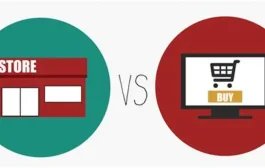
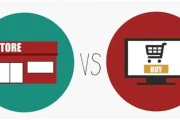
The study highlights the rapid growth of online shopping during the pandemic. Consumers increasingly relied on digital platforms to purchase products while maintaining social distancing. E-commerce, digital payments, home delivery services, and mobile applications became integral parts of the purchasing process. As a result, businesses accelerated their digital transformation strategies to meet evolving customer expectations.
Furthermore, the research explores the psychological factors influencing purchasing decisions during the crisis. Fear, uncertainty, safety concerns, and financial constraints played important roles in shaping consumer behaviour. Many consumers adopted stockpiling habits, preferred trusted brands, and became more value-conscious when making purchases.
The findings indicate that several behavioural changes continued even after restrictions eased. Consumers developed greater acceptance of online shopping, contactless transactions, and technology-enabled services. These shifts have permanently influenced the retail landscape and consumer decision-making processes.
This study provides valuable insights for marketers, retailers, and business managers seeking to understand post-pandemic consumer trends. By analysing Consumer Buying Behaviour During COVID-19, the research helps organizations develop strategies that respond effectively to changing customer needs and market dynamics.