Introduction to Impulse Buying Behavior
Consumer purchasing patterns have changed significantly with the growth of digital technology and organized retailing. Impulse Buying Behavior has become an important area of study because it influences how consumers make unplanned purchase decisions in both physical stores and online shopping environments. Understanding these buying patterns helps businesses create effective marketing strategies and improve customer engagement.
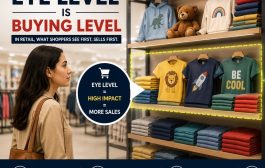
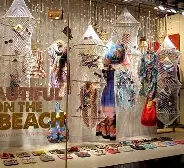
This research paper examines the factors that encourage spontaneous purchases in brick-and-mortar stores as well as on e-commerce platforms. In traditional retail settings, consumers often respond to attractive product displays, promotional offers, store ambiance, and sensory experiences. These factors create emotional responses that can lead to immediate purchase decisions without prior planning.
Similarly, online shopping platforms have introduced new triggers that influence consumer decision-making. Personalized product recommendations, limited-time discounts, flash sales, and one-click checkout systems make online purchasing convenient and appealing. As a result, consumers frequently add products to their carts based on emotions rather than actual need.
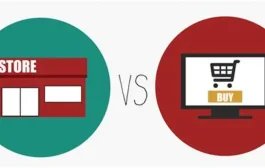
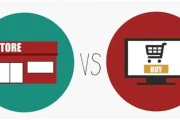
The study compares the shopping experiences offered by physical and digital retail channels. While brick-and-mortar stores rely on visual merchandising and in-store interactions, online retailers use data analytics and targeted promotions to influence purchasing decisions. Both approaches aim to encourage consumer spending, but they operate through different mechanisms.
Furthermore, demographic factors, lifestyle patterns, income levels, and technological familiarity also affect purchasing tendencies. Younger consumers, particularly those who spend more time online, often respond positively to digital promotions and social media influence. On the other hand, physical retail environments continue to attract consumers who prefer direct product interaction before making a purchase.
The findings reveal that Impulse Buying Behavior remains a significant contributor to retail sales across both channels. Businesses that understand consumer psychology can design more effective marketing campaigns and shopping experiences. Moreover, retailers can use these insights to improve customer satisfaction while increasing sales performance.
This study contributes to the field of consumer behavior by providing valuable insights into how modern shoppers respond to various marketing stimuli. The research also highlights the evolving relationship between technology, retailing, and consumer decision-making in today’s competitive marketplace.