What is a Product?
A product is anything offered to a market to satisfy the needs and wants of customers. It can be a physical good, a service, an idea, an experience, or a combination of these. In marketing, a product is more than just an item for sale—it represents the value and benefits delivered to consumers. Understanding all about products concepts is essential for MBA and MMS students as it forms the foundation of marketing management and business strategy.
Types of Products
Products are broadly classified into two categories based on their intended use.
Consumer Products
Consumer products are purchased by individuals for personal or household use. These products are further divided into convenience products, shopping products, specialty products, and unsought products. Each category requires different marketing, pricing, and promotional strategies depending on customer buying behavior.
Industrial Products
Industrial products are purchased by businesses for manufacturing, production, or operational purposes. They include raw materials, component parts, installations, equipment, and business services. Organizations focus on quality, reliability, and long-term relationships when purchasing industrial products.
Levels of a Product
Every successful product delivers value at different levels to satisfy customer expectations.
Core Product
The core product represents the primary benefit or solution that fulfills a customer’s need. For example, a smartphone provides communication and connectivity.
Actual Product
The actual product includes tangible features such as design, brand name, packaging, quality, styling, and product features that distinguish it from competitors.
Augmented Product
The augmented product consists of additional services and benefits such as warranties, free installation, customer support, after-sales service, and return policies. These value-added services improve customer satisfaction and encourage brand loyalty.
Product Life Cycle (PLC)
The Product Life Cycle (PLC) explains how a product progresses through different stages from its launch until its withdrawal from the market.
Introduction Stage
During the introduction stage, companies focus on creating product awareness and encouraging customers to try the product. Sales are generally low while promotional expenses remain high.
Growth Stage
As customer acceptance increases, sales grow rapidly. Businesses expand their market reach, improve product features, and strengthen their competitive position.
Maturity Stage
The maturity stage is marked by intense competition and slower sales growth. Organizations concentrate on product differentiation, promotional campaigns, and customer retention strategies to maintain market share.
Decline Stage
In the decline stage, sales decrease because of changing customer preferences, technological advancements, or increased competition. Companies may discontinue, reposition, or modify the product to extend its life cycle.
Branding and Packaging
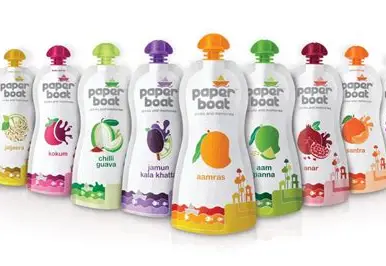
Branding helps create a unique identity for a product and builds customer trust and loyalty. Packaging protects the product while also serving as an important promotional tool. Attractive packaging, informative labels, and strong branding influence customer purchase decisions and improve product recognition in competitive markets.
Importance of Product Management
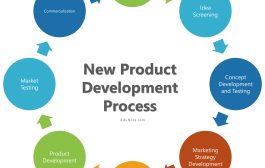
Effective product management involves product planning, product line decisions, product mix management, innovation, and new product development. Businesses continuously introduce new products to meet changing consumer needs and market trends. Successful product management enhances customer satisfaction, strengthens brand value, improves profitability, and creates a sustainable competitive advantage.
Conclusion
A thorough understanding of all about products concepts helps MBA and MMS students develop effective marketing strategies and make informed business decisions. Knowledge of product types, product levels, branding, packaging, and the Product Life Cycle enables future managers to create value for customers while achieving long-term organizational success.