One blocked sea route. Oil above $100 a barrel. And India’s gas cylinders, medicines, flights, and hotels are all feeling the pain within days.
A Business Case Study · Strait of Hormuz Crisis, 2026 · India Sector Analysis
WHAT HAPPENED
One Small Sea Route. Huge Global Impact.
On 28 February 2026, the US and Israel carried out military strikes on Iran, reportedly killing Supreme Leader Ali Khamenei. Iran hit back fast — not with bombs, but by blocking one of the world’s most important shipping routes: the Strait of Hormuz.
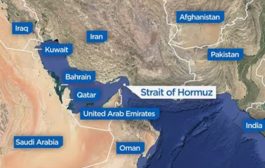
The Strait of Hormuz is just 33 km wide. It sits between Iran and Oman. Every day, nearly 20% of the world’s oil and gas passes through it. There is no easy alternative route. When it gets blocked, the whole world feels it — and fast.
| 70%
DROP IN TANKER TRAFFIC WITHIN DAYS |
150+
SHIPS STRANDED NEAR THE STRAIT |
$100+
OIL PRICE PER BARREL |
1000%
RISE IN WAR-RISK INSURANCE |
Shipping companies stopped going through the Middle East. Oil traders panicked. And India — which buys a huge amount of oil and gas from the Gulf — started feeling the effects almost right away.
India wasn’t just importing oil through Hormuz. It was importing a sense of security. When the route closed, that security came with a price — and everyone paid it.
INDIA’S DEPENDENCE ON THE GULF
We Knew We Were Dependent. We Just Didn’t Feel It — Until Now.
India has always known it buys a lot from the Gulf. But the 2026 crisis made it very real, very quickly. About 40% of our crude oil, 85–90% of our cooking gas (LPG), 53% of our natural gas (LNG), and 40% of our fertilisers all come through or near the Hormuz route. Even medicine exports to Gulf countries — about 5.58% of pharma earnings — got stuck.
| Sector | India’s Dependence | Risk Level |
| Crude oil imports | ~40% via Hormuz | Critical |
| LPG imports | 85–90% | Severe |
| LNG imports | 53% | High |
| Fertiliser imports | ~40% | High |
| Pharma exports to Gulf | ~5.58% | Moderate |
India’s Foreign Minister S. Jaishankar spoke directly with Iran and managed temporary permission for Indian ships to pass through. It was a reminder that in a supply crisis, good diplomacy can matter as much as any business strategy.
SECTOR BY SECTOR
How the Crisis Spread Across India’s Economy
- LPG & Cooking Gas [IMMEDIATE IMPACT]
Households felt this one first. Within just a few days of the Strait closing:
- Home LPG cylinder prices went up by ₹60
- Commercial cylinders (used by restaurants) went up by ₹144
- In many cities, people had to wait 25 days to get a cylinder booked
- Restaurants started switching to coal tandoors and electric induction stoves
- Medicines & Pharma [SILENT DISRUPTION]
India supplies medicines to countries all over the world. The crisis quietly hit this sector too:
- Estimated export losses between ₹2,500 and ₹5,000 crore
- Shipping costs went up by $4,000–$8,000 per ship
- Temperature-sensitive medicines like insulin and vaccines got delayed — a real health risk
- Companies that made their raw materials inside India were better off than those depending on China
- Everyday Products — FMCG [SPREADING IMPACT]
Higher oil prices don’t stop at the petrol pump. They quietly push up costs everywhere — plastic packaging, cleaning chemicals, transport fuel, and farm fertilisers:
- Price increases expected for shampoos, biscuits, soaps, and detergents
- Shoppers are already buying smaller packs or switching to cheaper local brands
- Big companies like HUL, ITC, and Dabur are better placed to handle this — smaller businesses are struggling more
- Airlines [ACUTE EXPOSURE]
Airlines are directly tied to oil prices — jet fuel (called ATF) is their highest cost. When oil goes up, they feel it immediately:
- ATF prices are shooting up, cutting into already thin profits
- Airlines adding fuel surcharges to tickets — passengers pay more
- Some airlines are cutting flights to Middle East destinations
- Routes that weren’t making much money are being suspended or reduced
- Hotels & Tourism [DOWNSTREAM PRESSURE]
Hotels are getting hit from two sides at once — their costs are going up while their customers are staying away:
- Hotels use a lot of LPG and diesel for cooking, laundry, and backup electricity — all now more expensive
- Fewer international flights mean fewer tourists coming to India
- Higher flight prices mean people are choosing not to travel for holidays
- Big luxury hotels can absorb some of this, but mid-range hotels and restaurants really feel the squeeze
- Basmati Rice — Surprisingly Okay (For Now) [RELATIVELY STABLE]
Not everything is going up in price. Basmati rice is one of the few things holding steady — but it may not last:
- Basmati rice is grown in India, so shipping problems don’t affect it directly
- Gulf countries are buying less rice right now, which reduces price pressure
- But if fertiliser and diesel prices keep rising, farmers’ costs will go up — and rice prices could follow later
PORTER’S FIVE FORCES — LPG
Business Theory, Playing Out in Real Life
There’s a business framework called Porter’s Five Forces that helps explain how competitive a market is. The LPG crisis is a perfect real-world example of it:
| THREAT OF NEW ENTRANTS
Very Low It takes years to build LPG supply infrastructure. No new player can step in during a crisis. |
SUPPLIER POWER
Extremely High Middle East suppliers are calling the shots. India is so dependent that there’s almost no room to push back. |
| BUYER POWER
Nearly Zero Most Indian families need gas to cook. They can’t stop buying, so they have no bargaining power at all. |
THREAT OF SUBSTITUTES
Limited Piped gas, induction, and solar cooking exist — but switching takes time and money. |
| COMPETITIVE RIVALRY
Minimal IOC, BPCL, and HPCL are government-run. During a national crisis, they work together, not against each other. No price war helps consumers. |
|
INDIA’S RESPONSE
Finding Other Ways to Get Oil
India isn’t just waiting for the Strait to reopen. The government and businesses are already working on workarounds:
- Using the Cape of Good Hope route — ships go around the bottom of Africa instead. It works, but adds about 20 extra days to every journey.
- Buying more oil from Russia, which was already happening after the Ukraine war and is now increasing further
- Getting natural gas (LNG) from West Africa and the USA instead of the Middle East
- Saudi Arabia is now sending oil through Yanbu port on the Red Sea, which doesn’t go through Hormuz at all
- Indian refineries are being pushed to produce more at home to reduce how much we need to import right now
None of these is a perfect fix — they cost more and take longer. But they show how India is adapting. Rather than just waiting for things to go back to normal, the country is finding new paths around the problem.
5 Things This Crisis Teaches Us
- World events can change markets overnight. The Hormuz closure happened in hours. Businesses that had taken years to build were disrupted before anyone could even call a meeting.
- When the supply gets cut, sellers gain all the power. In normal times, India can negotiate with suppliers. In a crisis, the suppliers tell India what to pay. The power balance flips completely.
- Having multiple suppliers is a real business advantage. Companies that bought from several different places — or made things at home — survived this crisis much better than those who relied on just one source.
- Governments can step in and change the rules of competition. During the crisis, India’s three big oil companies stopped competing and started cooperating — on government instruction. Markets don’t always work the ‘normal’ way during emergencies.
- Energy prices affect every single industry. From flight tickets to shampoo to insulin deliveries — there is no business that is fully safe from an oil price shock. Energy connects everything.
The Big Takeaway
The 2026 Hormuz crisis is a real-time business lesson no classroom could have planned. One decision — made far from India — hit our gas cylinders, our medicines, our flights, and our hotel bills within days. This is what supply chain risk looks like. Resilience isn’t just a word you write in a business plan. It must be built in advance.