The Rise of Wellness Marketing in Packaged Foods
“Superfood-rich,” “natural,” and “healthy choice” are now common phrases on cereal boxes, snack packets, and packaged foods. These labels sound reassuring, but they often reflect smart wellness marketing rather than genuine nutritional value.
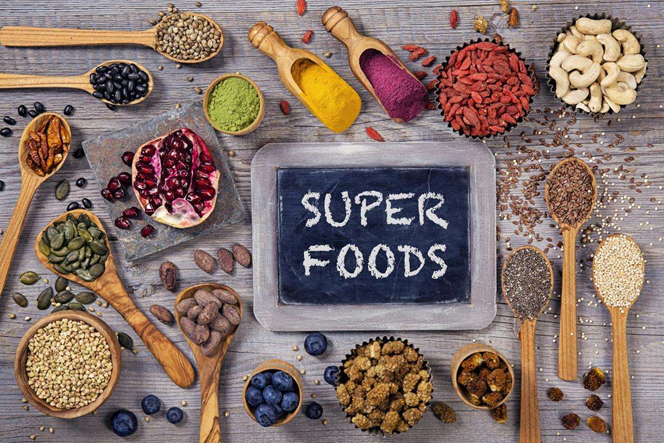
The word “superfood” has no official scientific or legal definition. Because of this, brands can freely use the term to attract health-conscious consumers looking for quick and healthy meal options.
Modern wellness marketing focuses heavily on emotional appeal. Packaging designs, earthy colours, healthy imagery, and positive health claims create the impression that a product is nutritious, even before consumers read the ingredient list.
How Wellness Marketing Influences Consumer Decisions
Many packaged foods highlight ingredients such as quinoa, chia seeds, oats, almonds, or mixed grains. However, these ingredients may appear only in very small quantities.
At the same time, the product may still contain:
- Added sugar
- Refined flour or grains
- Artificial flavours
- Preservatives
- High sodium levels
Wellness marketing often shifts consumer attention toward attractive claims instead of nutritional facts. As a result, many buyers trust the front of the package without checking the nutrition label at the back.
This creates a “health halo effect,” where consumers automatically assume a product is healthy because of certain words or visuals.
Why Wellness Marketing Can Be Harmful for Children
The impact of wellness marketing becomes even more concerning when products target children. Many breakfast cereals and snacks use cartoon characters, bright colours, games, and playful packaging to attract young audiences.
At the same time, brands reassure parents with words like “healthy,” “energy-rich,” or “made with whole grains.”
In reality, many of these products contain high sugar levels and processed ingredients. Regular consumption may contribute to:
- Poor concentration
- Dental problems
- Unhealthy weight gain
- Increased dependence on processed foods
- Long-term unhealthy eating habits
Over time, children may struggle to understand the difference between real nutrition and marketing-driven food choices.
How Consumers Can Make Better Food Choices
Consumers can protect themselves from misleading wellness marketing by developing label-reading habits. Smart food choices begin with awareness and informed decision-making.
Before buying packaged foods, consumers should:
- Check whether whole grains appear first in the ingredient list
- Compare sugar content across brands
- Choose products with higher fibre content
- Avoid foods with excessive additives and preservatives
- Look for shorter and simpler ingredient lists
Often, foods with fewer marketing claims are nutritionally better and less processed.
The Role of Wellness Marketing in Modern Consumer Culture
Wellness marketing continues to grow because consumers increasingly seek healthier lifestyles and convenient food options. Social media trends, fitness influencers, and health-conscious branding further encourage the popularity of “healthy-looking” packaged foods.
However, true wellness cannot come from slogans alone. Nutritional value depends on balanced eating habits, portion control, fresh ingredients, and overall lifestyle choices.
Consumers today need to balance convenience with nutritional awareness.
Conclusion
Wellness marketing has changed the way consumers view packaged foods, but attractive labels do not always guarantee healthy nutrition. Terms like “superfood” and “natural” often influence emotions more than actual dietary quality.
Real health comes from balanced meals, informed choices, and mindful eating habits — especially for children. Reading beyond the front of the package remains one of the most important steps toward healthier living.