Introduction
The Indian retail market is evolving rapidly, and consumers now have more choices than ever before. As competition increases, businesses are introducing different branding strategies to attract price-sensitive and quality-conscious buyers. Among the most important concepts in retail are private labels and generic brands, along with national brands.
Understanding the difference between these categories helps consumers make informed purchasing decisions. Moreover, it helps businesses develop stronger retail and branding strategies in a highly competitive marketplace.
What Are Private Label Brands?
Private label brands, also called store brands or own brands, are products manufactured by one company but sold under another retailer’s brand name. Retailers usually position these products as affordable yet high-quality alternatives to national brands.
Examples of Private Label Brands
- Kirkland Signature by Costco
- Great Value by Walmart
- Amazon Basics by Amazon
- Dmart Premia by DMart
- Good Life and Mistral by Reliance Retail
These brands cover categories such as groceries, electronics, personal care, and household essentials.
Importance of Private Labels and Generic Brands in India
Affordability for Consumers
One of the major reasons behind the growth of private labels and generic brands in India is affordability. Retailers eliminate intermediary costs and offer products at lower prices.
Retailer Differentiation
Private labels help retailers create exclusive offerings that competitors cannot easily replicate. As a result, retailers strengthen customer loyalty and increase repeat purchases.
Higher Profit Margins
Retailers earn higher margins from private label products because they control pricing, packaging, and distribution.
Customization and Local Preferences
Indian consumers have diverse tastes and preferences. Therefore, retailers can customize private label products according to regional needs and cultural preferences.
Brand Building Opportunities
Successful private label products enhance the retailer’s overall reputation and strengthen long-term market positioning.
Challenges Faced by Private Labels
Consumer Perception Issues
Although quality standards have improved significantly, some consumers still perceive private labels as inferior to national brands.
Intense Competition
National brands continue to compete aggressively through discounts, advertising, and loyalty programs.
Regulatory Challenges
Retailers must comply with strict quality standards and regulations, especially in categories such as food, healthcare, and electronics.
Future of Private Labels and Generic Brands in India
The future of private labels and generic brands in India looks promising. E-commerce growth, digital retailing, and changing consumer preferences are creating new opportunities for retailers.
Additionally, sustainability and ethical sourcing are becoming important purchase drivers. Consequently, retailers are investing in eco-friendly packaging and locally sourced products.
What Are Generic Brands?
Generic brands are products sold without strong brand identity or heavy marketing. These products focus mainly on functionality and affordability.
Examples of Generic Brands
- Generic pharmaceutical medicines
- Plain packaged food staples
- Unbranded household essentials
Generic products generally have simple packaging and minimal advertising costs.
Why Generic Brands Are Popular in India
Cost Sensitivity
Low-income consumers prioritize affordability over brand prestige. Therefore, generic products become an attractive option.
Focus on Essential Needs
Generic brands mainly provide essential items such as medicines, food grains, soaps, and detergents.
Better Value for Money
Consumers often prefer generic brands because they offer acceptable quality at significantly lower prices.
Wider Accessibility
Generic products are widely available in local kirana stores and rural markets across India.
Trust Within Communities
Locally manufactured generic products often gain trust through familiarity and word-of-mouth recommendations.
Examples of Generic Brands in India
Generic Pharmaceuticals
Companies such as Cipla and Dr. Reddy’s manufacture affordable medicines that improve healthcare accessibility.
Food Staples
Generic rice, wheat, pulses, and cooking essentials are commonly available in wholesale and local markets.
Personal Care Products
Low-cost soaps, detergents, and sanitary products help meet the hygiene needs of budget-conscious consumers.
What Are National Brands?
National brands are products sold under well-established manufacturer brand names. These brands invest heavily in advertising, packaging, and customer engagement.
Examples of National Brands
- Coca-Cola
- Nike
- Tide by Procter & Gamble
National brands focus strongly on brand loyalty, premium quality, and widespread recognition.
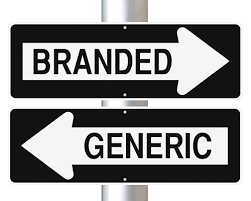
Difference Between Private Labels, Generic Brands, and National Brands
| Aspect | Private Labels | Generic Brands | National Brands |
|---|---|---|---|
| Ownership | Retailer-owned | No strong brand ownership | Manufacturer-owned |
| Pricing | Affordable | Lowest price | Usually premium priced |
| Packaging | Branded packaging | Plain packaging | Highly branded packaging |
| Marketing | Limited retailer promotion | Minimal marketing | Heavy advertising |
| Consumer Perception | Value alternative | Functional product | Trusted premium option |
Conclusion
The rise of private labels and generic brands reflects changing consumer behaviour in India. While private labels focus on affordability and retailer branding, generic brands cater to essential needs at the lowest possible cost. In contrast, national brands continue to dominate through strong marketing, trust, and premium positioning.
As India’s retail sector expands further, all three categories will continue to shape consumer choices and market competition. Businesses that balance affordability, quality, and customer trust will achieve long-term success in the evolving marketplace.