Introduction
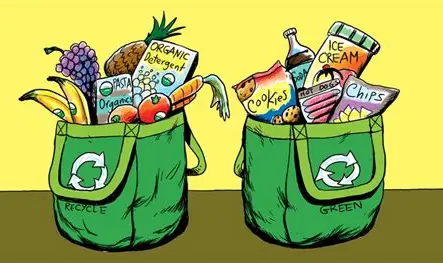
Imagine walking into a supermarket. You notice two products placed next to each other. One is an ordinary household cleaning product, while the other carries a label saying “Eco-Friendly”, “Natural” or “Environmentally Responsible”.
Which one would you choose? Would you be willing to pay a little extra for a product that claims to be better for the environment?
Now consider another situation. You are ordering groceries online. Would you prefer products delivered in excessive plastic packaging, or would you choose a seller offering recyclable and minimal packaging?
These everyday decisions reflect an interesting aspect of modern consumer behaviour: Green Consumer Behaviour.
As environmental concerns become increasingly important, consumers are paying greater attention to what they purchase, how products are manufactured and what happens to the packaging after use.
However, an important question remains. Are consumers genuinely changing their purchasing habits, or are they simply becoming more interested in the idea of sustainability?
1. What Exactly Is Green Consumer Behaviour?
Green consumer behaviour refers to the purchasing, usage and disposal decisions made by consumers who consider the environmental impact of products and services.
For instance, a green consumer may:
-
Prefer products with recyclable packaging.
-
Choose energy-efficient electrical appliances.
-
Purchase locally manufactured products.
-
Reduce the use of single-use plastic.
-
Support brands that follow responsible manufacturing practices.
-
Prefer sustainable clothing and reusable products.
-
Avoid unnecessary consumption and wastage.
However, green consumer behaviour is not restricted to purchasing organic food or expensive eco-friendly products. Simple actions, such as carrying a reusable shopping bag or avoiding food wastage, also reflect responsible consumption.
Ultimately, it is about becoming a more responsible consumer.
2. The Indian Consumer: Awareness Is Growing, But Is Behaviour Changing?
India is witnessing changes in consumption patterns. Urbanisation, digital platforms, social media, education and greater exposure to environmental issues have brought sustainability into everyday conversations.
As a result, consumers are increasingly exposed to terms such as:
-
Organic
-
Sustainable
-
Vegan
-
Cruelty-free
-
Recyclable
-
Biodegradable
-
Carbon-neutral
-
Eco-friendly
Nevertheless, awareness of these terms does not necessarily translate into sustainable purchasing decisions.
A 2025 study published in the Indian Journal of Marketing, based on 446 respondents, examined how political, economic, social and technological factors influence green product purchase intentions in India.
Similarly, another 2025 study involving 400 respondents in Navi Mumbai examined eco-friendly FMCG products. It reported that 67% of respondents were aware of eco-friendly FMCG products, while 45% actually purchased them.
These findings highlight an interesting issue: the gap between environmental awareness and actual purchasing behaviour.
Although consumers may want to protect the environment, their final purchase decisions are also influenced by price, quality, availability and convenience.
3. Why Do Consumers Choose Green Products
Several factors influence green purchasing decisions. Understanding these factors helps marketers develop products and communication strategies that encourage sustainable consumption.
Environmental awareness: Consumers who understand pollution, climate change, plastic waste and resource depletion may be more inclined to choose environmentally responsible products.
Health consciousness: In addition, some consumers associate natural ingredients, organic food and reduced chemical exposure with healthier lifestyles.
Price: Although sustainable products may attract attention, significantly higher prices can discourage consumers from purchasing them.
Brand trust: Furthermore, consumers are more likely to believe environmental claims when brands provide transparent information about ingredients, manufacturing and packaging.
Social influence: Friends, family, social media influencers and community trends can also encourage consumers to adopt sustainable practices.
Convenience: Nevertheless, even environmentally conscious consumers may choose conventional products when sustainable alternatives are difficult to find.
Research published in 2026 on Indian sustainable product purchases also highlights how price sensitivity can influence the relationship between positive environmental attitudes and actual buying intentions.
Therefore, marketers must understand that creating awareness alone is not enough. Sustainable products must also be affordable, accessible and trustworthy.
4. Green Consumer Behaviour in Everyday Indian Markets
Green consumption is becoming visible across several product categories. Interestingly, consumers can practise sustainability through small purchasing decisions in their everyday lives.
A. FMCG Products
Consumers are increasingly exposed to household products, personal care items and food products marketed with environmental claims.
For example, shoppers may prefer refill packs, concentrated cleaning products, recyclable packaging and products with responsible sourcing.
However, a green label alone should not determine a purchase. Consumers must examine the actual product and its environmental credentials before making a decision.
B. Sustainable Fashion
Fast fashion encourages frequent purchases, whereas sustainable fashion promotes durability, reuse and responsible production.
Instead of constantly purchasing new clothes, consumers can choose quality garments, support local artisans and reuse existing clothing.
Consequently, buying fewer clothes and making better purchasing decisions can contribute to responsible consumption.
C. Food and Grocery Shopping
Food and grocery shopping offer several opportunities to practise green consumer behaviour.
For instance, consumers can support local farmers, choose seasonal produce, reduce food waste and carry reusable shopping bags.
Moreover, choosing locally available products can help reduce certain transportation-related impacts, depending on how products are produced and distributed.
D. Electronics and Appliances
Energy-efficient appliances are another example of sustainable consumption.
Consumers can also contribute by repairing products instead of replacing them unnecessarily. Similarly, responsible electronic waste disposal helps reduce the environmental challenges associated with discarded electronic devices.
E. Online Shopping
E-commerce has made shopping convenient. However, multiple deliveries, excessive packaging and frequent returns can create environmental challenges.
Consumers can make more conscious decisions by combining orders, avoiding unnecessary purchases and selecting appropriate packaging options wherever available.
Thus, even small changes in online shopping habits can encourage more responsible consumption.
5. The Greenwashing Problem: Are Brands Really Green
One of the biggest challenges in green marketing is greenwashing.
Greenwashing occurs when companies create misleading or exaggerated impressions about the environmental benefits of their products or business practices.
For example:
-
A product may use green-coloured packaging to appear environmentally friendly.
-
A brand may highlight one recyclable component while ignoring the environmental impact of the overall product.
-
Advertisements may use words such as natural, pure and eco-friendly without adequate evidence.
-
A company may promote a small environmental initiative while overlooking larger environmental concerns in its operations.
Consequently, consumers must become more informed and question environmental claims.
Brands, on the other hand, must understand that sustainability is not merely an advertising strategy. It requires genuine action across manufacturing, packaging, distribution and business operations.
Ultimately, trust is built through transparency, not attractive green packaging.
6. What Can Marketers Do to Encourage Green Consumer Behaviour
Green marketing offers businesses an opportunity to connect profitability with environmental responsibility.
However, marketers must move beyond simply promoting products as eco-friendly. They need to make sustainable consumption practical and attractive to consumers.
The traditional marketing mix provides a useful framework for achieving this objective.
-
Product: Develop durable, reusable, recyclable and resource-efficient products.
-
Price: Make sustainable products affordable and accessible to different income groups.
-
Place: Improve the availability of green products through retail stores and e-commerce platforms.
-
Promotion: Communicate genuine environmental benefits through transparent and verifiable claims.
Furthermore, marketers can use educational campaigns to explain how consumers can make better purchasing decisions.
The traditional marketing mix can therefore become an important tool for encouraging responsible consumer decisions.
Brands should not merely convince consumers to purchase green products. Instead, they should make sustainable choices easier, affordable and trustworthy.
7. India’s Mission LiFE: Making Sustainability a Lifestyle
India’s Mission LiFE (Lifestyle for Environment) encourages individuals and communities to adopt environmentally responsible lifestyles.
The initiative focuses on several everyday practices, including:
-
Saving water and conserving energy.
-
Reducing waste.
-
Managing electronic waste responsibly.
-
Avoiding single-use plastics.
-
Promoting sustainable food systems.
Importantly, Mission LiFE recognises that environmental protection requires collective participation and changes in everyday habits.
Therefore, sustainability should not remain limited to government campaigns or corporate initiatives. It must gradually become a part of Indian consumer culture.
8. The Future of Green Consumer Behaviour in India
The future of green consumer behaviour will depend on more than environmental awareness.
Consumers need affordable choices, credible product information, easy availability and confidence in brands.
At the same time, businesses must invest in responsible production. Governments must strengthen environmental standards and awareness, while educational institutions should encourage responsible consumption among students.
Most importantly, consumers must recognise that every purchase is a choice.
We cannot expect businesses to become sustainable if consumers never consider sustainability while purchasing. Equally, consumers cannot make responsible choices if businesses do not provide transparent information and accessible alternatives.
Hence, both sides have an important role to play in building a sustainable marketplace.
Conclusion: Every Purchase Is a Vote for the Future
Green consumer behaviour is not about purchasing the most expensive organic product or following the latest sustainability trend. Rather, it is about making thoughtful decisions.
It begins with asking ourselves a few simple questions.
Do we really need another product? Can its packaging be reused? Is the brand transparent about its environmental claims? Are our consumption habits contributing to unnecessary waste?
As India continues to grow as a consumer market, there are enormous opportunities for responsible businesses and conscious consumers.
However, the real change will happen when sustainability becomes a part of everyday purchasing decisions rather than just a topic of discussion.
The next time we shop, perhaps we should ask ourselves:
Am I buying this because I need it, because the brand has marketed it well, or because it genuinely supports a better environment?
The answer can influence not just our purchasing habits but also the future of the marketplace.
Because ultimately, sustainability is not just the responsibility of manufacturers or governments.
It begins with the consumer. Every purchase matters. Every choice counts. Every consumer can make a difference.