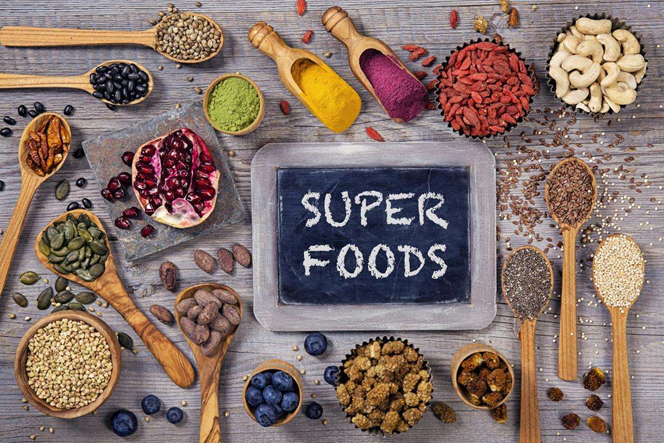
“Superfood-rich,” “natural,” and “healthy choice” have become common claims on cereal boxes and packaged foods. While these words sound reassuring, they often reflect clever wellness marketing rather than real nutritional value. The term superfood has no official scientific or legal definition, which allows brands to use it freely to attract health-conscious consumers.
Many products highlight ingredients like quinoa, seeds, or nuts, but these are often present in very small amounts. At the same time, the food may still be high in added sugar, refined grains, artificial flavours, or preservatives. Eye-catching packaging and positive health messaging can distract buyers from reading nutrition labels, where the true details are revealed.
Why This Is a Concern for Children
Misleading health claims can be especially harmful for kids. Cereals marketed as “healthy” are often targeted at children using bright colours and cartoon characters, while reassuring parents with wellness buzzwords. When these products contain high sugar levels, regular consumption may contribute to poor concentration, dental problems, unhealthy weight gain, and the development of long-term eating habits centred on processed foods. Over time, children may struggle to understand what real, balanced nutrition looks like.
What Consumers Can Do
Making better choices starts with label awareness. Look for whole grains listed first, compare sugar levels, choose higher-fibre options, and avoid products with lengthy ingredient lists and excessive additives. Often, simpler foods with fewer claims are nutritionally better.
Conclusion
No single ingredient or label can guarantee good health. True wellness comes from balanced meals, informed choices, and mindful eating—not from marketing slogans. When it comes to everyday foods, especially for children, reading beyond the front of the pack matters.