A Meal Paid for in Plastic
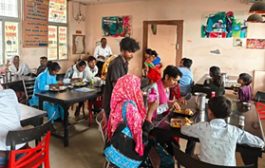
The morning air in Ambikapur carries the irresistible aroma of freshly fried samosas and steaming vadas. Inside the city’s first-ever Garbage Café, wooden benches are filled with people clutching plates brimming with rice, dal, curries, and roti. But here, unlike anywhere else, food is not bought with money—it’s paid for with rubbish.
For every kilogram of plastic waste—bottles, wrappers, or old carry bags—diners receive a full meal. Half a kilo of collected plastic earns a breakfast of poha, vada pav, or samosas. The café’s motto reads proudly:
“More the Waste, Better the Taste.”
This initiative, run by the Ambikapur Municipal Corporation (AMC), goes beyond feeding people. It offers dignity, purpose, and a cleaner city, creating a bridge between environmental responsibility and social welfare.
The Birth of a Beautiful Idea
When Ambikapur launched the Garbage Café in 2019, the city faced two pressing challenges: plastic pollution and hunger. Instead of tackling them separately, city officials chose a holistic, human-centered solution.
“We wanted to turn waste into a resource—for the environment and for people,” explains Vinod Kumar Patel, manager of the café.
Previously, ragpickers and low-income families earned a meager ₹10 per kilo by selling collected plastic to scrap dealers. Now, they could exchange plastic for nutritious meals, helping them feed their families while cleaning the city streets.
Rashmi Mondal, a daily visitor, shares:
“I used to barely earn enough to feed my children. Now, I bring plastic to the café and leave with a hot meal. It has changed my life.”
Every day, 20–30 people participate, leaving not just with food but with smiles and renewed hope.
Cleaning Up Ambikapur, One Meal at a Time
The Garbage Café has had a measurable impact. Since its opening, the café has collected nearly 23 tonnes of plastic, reducing annual landfill waste from 5.4 tonnes in 2019 to just 2 tonnes in 2024.
Ambikapur’s broader zero-waste strategy is now widely recognized. Today, the city produces 45 tonnes of solid waste daily, yet nearly all of it is recycled or composted. The old 16-acre dumping ground has been transformed into a lush public park, showcasing the power of civic innovation.
The collected plastics are sent to Solid and Liquid Resource Management (SLRM) centres, where 480 women, affectionately called Swachhata Didis (“cleanliness sisters”), sort the waste into over 60 categories. These women earn ₹8,000–₹10,000 a month, gaining financial independence and social respect, becoming the backbone of Ambikapur’s waste revolution.
A Model for Other Cities
Ambikapur’s success has inspired similar initiatives across India:
- Siliguri (West Bengal): Free meals in exchange for plastic waste.
- Mulugu (Telangana): One kilo of plastic earns a kilo of rice.
- Mysuru (Karnataka): Half a kilo of plastic buys a free breakfast at Indira Canteens.
- Uttar Pradesh: Sanitary pads distributed in exchange for plastic, empowering women while cleaning neighborhoods.
Even Cambodia has followed suit, allowing residents near Tonle Sap Lake to trade plastic waste for rice.
Challenges and Lessons
Not every Garbage Café experiment succeeds. Delhi’s network, launched in 2020 with over 20 outlets, declined due to poor segregation systems and low public awareness.
Experts emphasize:
“Garbage cafés are an excellent start, but they can’t solve the root causes of plastic pollution. We need systemic change: stronger recycling laws, better segregation, and a cultural shift away from disposable plastics.”
— Dr. Minal Pathak, Ahmedabad University
The lessons are clear: local action matters, but national policies and awareness campaigns are crucial.
Future Possibilities: Beyond the Café
The Garbage Café model can evolve into broader circular economy initiatives:
- Green Currency Programs: Earn tokens or digital credits through recycling, redeemable for public transport or school meals.
- Plastic-for-Education: Students exchange waste for books, scholarships, or school supplies.
- Circular Community Kitchens: Compost wet waste to grow vegetables used in community meals.
- Corporate Partnerships: Local restaurants sponsor meals in exchange for collected plastic.
- Health-for-Waste Clinics: Rural clinics offer free check-ups or medicines in exchange for recyclable waste.
Author’s Reflection
Watching video of people line up at the Garbage Café, plastic bags in hand, I realized the profound beauty of human-centered innovation. Here, trash transforms into dignity, hunger turns into hope, and a city once choked with waste begins to breathe again. Ambikapur proves that solutions to global problems can begin at the local level, where compassion meets creativity.
It also reminds us that true change is not only about policies or technology—it’s about empowering individuals, valuing labour, and recognising the potential in what we often discard.
Thought for the Day
“What we throw away today can nourish, empower, and transform tomorrow. Look at waste not as garbage, but as a seed of possibility.”
From discarded plastic to hot meals, from ignored ragpickers to empowered community workers, Ambikapur’s Garbage Café is a testament to hope, resilience, and the human spirit. Every act of collection is a story of transformation—proving that nothing and no one is truly wasted.